
When a fire hits your home, the first instinct is to clean up and get life back to normal — but that can be a costly mistake. Insurance companies don’t advertise this, but the first 24–48 hours after a fire are the most important window for documenting damage. What you do (or don’t do) right away can determine whether your claim gets approved, underpaid, or denied.
Here’s exactly what homeowners need to document immediately after a fire — the things insurance adjusters rarely tell you.
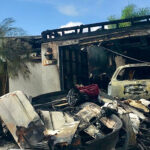
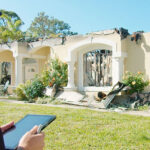
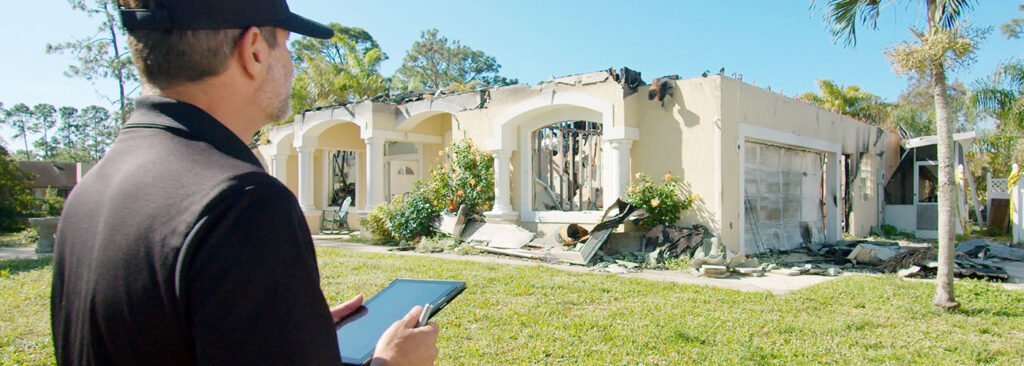
It’s natural to want to clean up, but moving or throwing away anything too early can weaken your claim. Take clear photos of every damaged room before anything is disturbed — even if the fire was contained to one area. Document walls, ceilings, flooring, personal items, furniture, appliances, structural damage, and anything with soot or odor.
Smoke travels far beyond the fire source. Open cabinets, drawers, closets, and HVAC vents and photograph the soot and residue inside. Insurance companies often overlook these areas unless you prove they were affected.
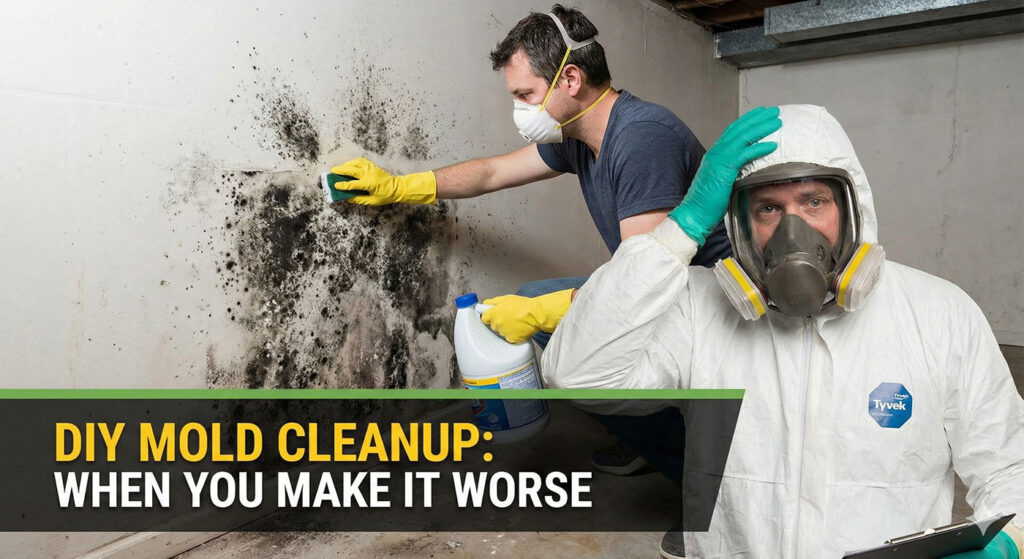
Most homeowners don’t realize that water damage is a major part of a fire claim. Photograph wet flooring, water-stained ceilings, soaked cabinets, and any standing water. This is critical because water damage leads to mold quickly — and insurance may only cover it if it’s documented early.
Close-up shots help prove the intensity and direction of the fire. This can support your claim for structural repairs, smoke cleaning, and content restoration. The more detail, the better.
Insurance companies often underpay content claims because homeowners don’t itemize damage. Take photos of electronics, clothing, furniture, kids’ items, collectibles — anything affected by smoke or heat. Include serial numbers when possible.
This is one area homeowners forget — and insurance loves that, because HVAC cleaning is expensive. Photograph soot inside vents, filters, and air returns. This proves that the entire system needs cleaning, not just the room where the fire occurred.
Smells, discoloration, cracks, water dripping, electrical issues — write it all down. Adjusters often miss or downplay these signs if they aren’t documented. A written log supports your claim and shows the ongoing impact of the fire.
Why This Documentation Matters
Insurance companies expect homeowners to prove their loss — not the other way around. If the damage isn’t photographed, measured, and documented early, it becomes easy for the carrier to say “that wasn’t caused by the fire” or “we don’t see enough evidence to cover this item.”
Proper documentation can be the difference between:
a fully covered restoration
or thousands of dollars in denied repairs
We Handle Documentation for You
As licensed restoration and insurance claim professionals, we document everything the right way:
moisture readings
thermal imaging
soot levels
structural damage
contents affected
air quality issues
We know what insurance adjusters look for — and how to ensure nothing gets missed or underpaid.
Need Help After a Fire? We’re Here 24/7
If your home has been affected by fire, don’t wait. Hidden smoke, soot, and water damage get worse by the hour — and insurance documentation needs to be done immediately.
Call now for emergency fire damage restoration and full claim support.