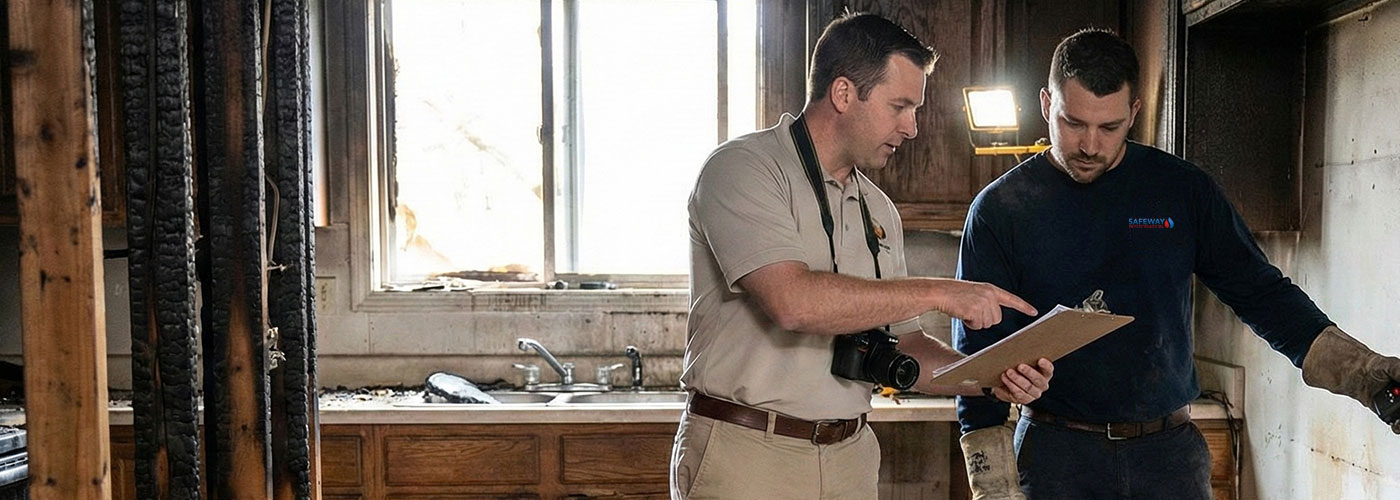
A fire doesn’t just damage your home — it disrupts your entire life. Between smoke, soot, water damage, temporary living needs, insurance forms, and the rebuild, most homeowners quickly realize they’re overwhelmed. And here’s the truth: no single professional can handle every part of a fire loss the right way.
The best possible outcome happens when you have two experts working together on your side:
A licensed public adjuster to handle the insurance claim, documentation, negotiation, and payout.
A certified fire restoration contractor to clean, stabilize, rebuild, and handle the technical parts of the project.
When both work as a team, you get full coverage, correct documentation, and a smooth path to restoring your home.
Here’s why the combination matters so much.
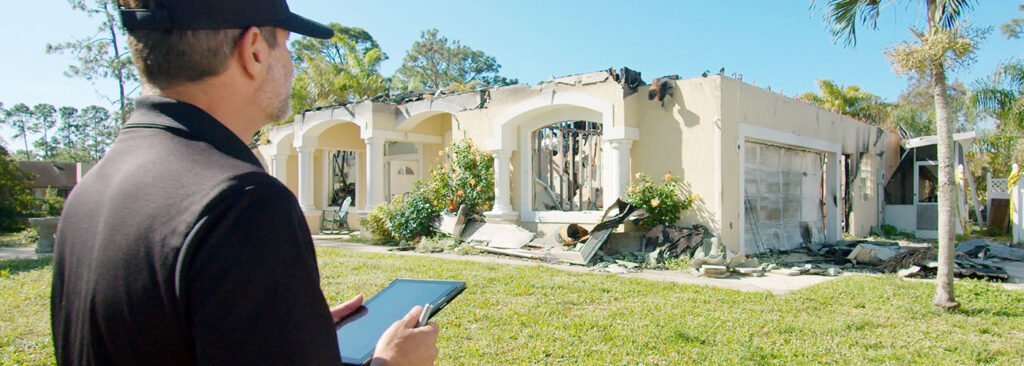
After a fire, the restoration contractor identifies and documents the physical realities:
structural damage
smoke and soot spread
water damage from firefighters
materials that can be salvaged vs. removed
safety hazards
odor penetration
hidden moisture
This is the technical side of the loss — the stuff only a trained restoration team can see and measure.
A public adjuster documents the financial and policy side:
coverages
limitations
repair values
contents valuations
code upgrades
temporary housing
depreciation and recoverable depreciation
supplements
When these two forms of documentation line up, the insurance company has far less room to dispute the claim.
Fire claims are often underpaid because the carrier:
misses hidden smoke damage
minimizes scope
undervalues materials
ignores upgrades
shortens drying time
reduces deodorization steps
excludes content cleaning
pushes for quick/cheap fixes
A restoration contractor outlines the real work required to restore the home properly.
The public adjuster uses that scope to build a bulletproof claim that forces the carrier to pay for everything needed — not just the bare minimum.
Insurance adjusters are trained to look for the fastest, least expensive path to closing a claim. That’s where homeowners get burned.
The contractor sees construction-related issues adjusters overlook.
The public adjuster sees policy-related issues adjusters won’t mention.
Together, they make sure that:
smoke behind walls is included
HVAC contamination gets covered
damaged electrical systems aren’t ignored
water damage is fully dried
structural repairs meet code
contents are documented correctly
the full scope is approved
When one expert misses something, the other catches it.
Homeowners should never juggle both. It leads to mistakes, delays, and underpayment.
The fire restoration contractor handles:
cleanup
soot removal
odor elimination
structural drying
reconstruction
project management
The public adjuster handles:
meetings with the insurance adjuster
paperwork
coverage disputes
supplements
valuation
negotiations
claim accuracy
Each stays in their lane — and the homeowner wins.
When both professionals communicate and coordinate, you get:
faster damage stabilization
more accurate scopes
fewer disputes
quicker approvals
less out-of-pocket risk
higher-quality repairs
a shorter time out of your home
Homeowners who try to navigate a fire claim alone usually end up:
underpaid,
overwhelmed,
and stuck with incomplete repairs.
Carriers are far less likely to cut corners when:
the contractor’s scope is detailed
the PA presents a documented claim
moisture and soot levels are measured
evidence is clearly laid out
policy language is backed by a licensed adjuster
The presence of two qualified experts shifts the power dynamic — and it leads to cleaner, faster, more accurate claim outcomes.
A restoration contractor ensures the home is actually rebuilt correctly.
A public adjuster ensures the carrier actually pays for it.
It’s the combination that protects the homeowner.
Bottom Line: After a Fire, the Best Move You Can Make Is Bringing in BOTH Experts
A public adjuster protects your financial interests.
A fire restoration contractor protects your property.
When both work together from day one, you get:
full documentation
faster approvals
stronger insurance payouts
less stress
higher-quality repairs
and a fair, honest restoration process
This is the team you want in your corner when your home, family, and finances are on the line.
If You’ve Had a Fire, Don’t Go Through It Alone
We work hand-in-hand with experienced public adjusters to make sure every detail is documented, every step is handled correctly, and your home is restored the right way — from claim to construction.
Call now for immediate fire damage help and claim guidance.