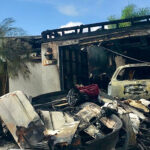

Most homeowners don’t realize how complex fire damage restoration really is. After a fire, there’s smoke, soot, water, odor, structural issues, and hidden damage that continues to spread long after the flames are out. A proper restoration requires a detailed, systematic approach — not just cleaning.
Here’s the real step-by-step process professionals follow to restore a fire-damaged home the right way.
The first priority is protecting the home from weather, theft, and further damage. Broken windows, compromised doors, and roof openings are immediately secured.
Most homeowners don’t know this, but insurance often requires emergency board-up as part of the mitigation process. If you skip it, your claim can get complicated fast.
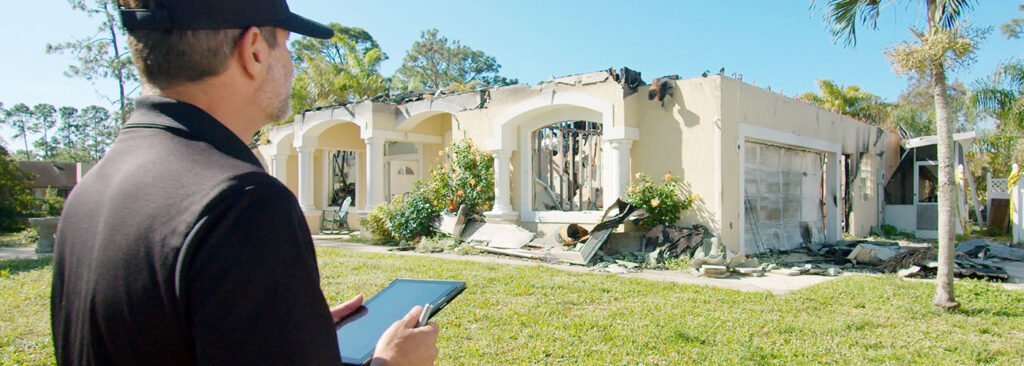
Once the home is secure, the restoration team performs a detailed inspection. This isn’t just a visual walkthrough — it includes:
smoke travel patterns
soot levels
structural damage
hidden water damage
HVAC contamination
odor penetration
Professionals document everything with photos, moisture readings, and notes for both the homeowner and the insurance company.
This is one of the most important (and most overlooked) parts of the process.
A proper fire restoration team captures:
structural damage
smoke contamination
soot patterns
moisture mapping
affected belongings
any areas that need demolition
This documentation becomes the foundation of your insurance claim. Without it, homeowners often get underpaid.
Most fires involve water damage from fire hoses or sprinklers.
Before any cleaning can begin, professionals:
extract standing water
dry soaked materials
use industrial dehumidifiers
prevent mold growth in the crucial first 48 hours
Ignoring this step is a common mistake — water left behind can cause more damage than the fire itself.
Soot is acidic and destructive. It sticks to walls, ceilings, flooring, furniture, electronics, and HVAC systems.
Professionals use HEPA vacuums, specialized dry sponges, alkaline cleaners, and containment barriers to safely remove soot without spreading it to other areas of the home.
Even after the soot is gone, smoke odor lingers deep inside:
walls
insulation
wood framing
ceilings
HVAC ducts
Professional restoration uses advanced odor-elimination methods such as:ozone treatment
hydroxyl generators
thermal fogging
deep structural deodorization
This eliminates odor at the molecular level — not just masking it with sprays.
If certain materials cannot be restored — like burnt drywall, compromised framing, or heavily soaked insulation — they are removed strategically.
Professionals do a controlled demo, meaning only the damaged areas get removed, not the entire room.
Furniture, clothing, electronics, artwork, and personal items are cleaned, restored, and deodorized whenever possible.
In many cases, items are packed out to a secure off-site facility for specialized cleaning and storage until the home is restored.
Once the structure is clean, dry, and odor-free, the final stage begins: rebuilding.
This can include:
new drywall
paint
flooring
cabinetry
electrical repairs
structural repairs
complete reconstruction
This is where the home is brought back to pre-loss condition — or better.
Why Professional Restoration Matters
Fire damage isn’t just dirt and debris — it’s chemical residue, smoke infiltration, unseen moisture, and structural weakening. A professional restoration company doesn’t just “clean”; they restore the home safely, correctly, and in a way insurance will cover.
Need Professional Fire Damage Restoration?
If your home has been affected by fire — big or small — fast action makes all the difference. We respond 24/7 to secure your property, document the damage, work with insurance, and restore your home from start to finish.
Call now for immediate fire damage restoration.